
Do Pictures on a Menu Increase Sales? What the Research Says
RestoPhoto Team · October 26, 2026 · 6 min read
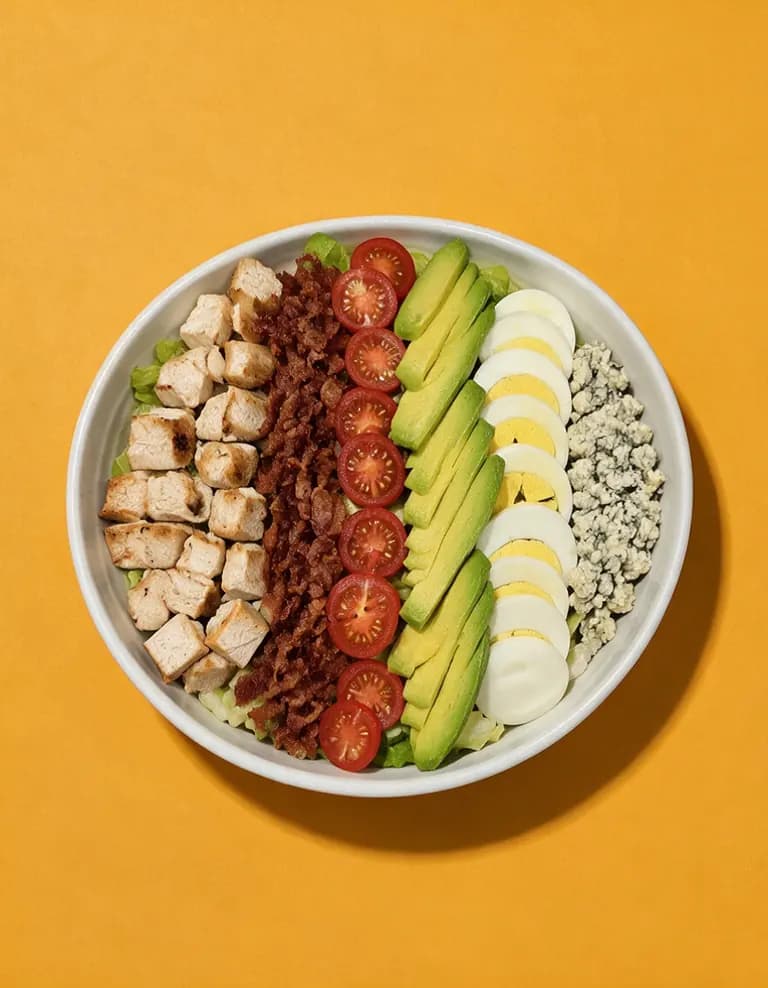
The short answer: yes, under the right conditions. A peer-reviewed study by Hou, Yang and Sun (2017) found that when dishes have clear, descriptive names, adding a photo significantly improves customer attitude, willingness to pay and purchase intention. Grubhub says restaurants that follow menu best practices, such as adding pictures and descriptions, get as much as 70% more orders and 65% higher sales. That is the company's own claim, not an independent measurement. The effect depends on photo quality, the dish name and where the menu is used.
Here is what that evidence says, what it doesn't, and how to put it to work.
What the research actually found
Hou, Yang and Sun (2017)
The most useful academic source here is a study published in the International Journal of Hospitality Management (doi.org/10.1016/j.ijhm.2016.10.008). The finding worth remembering: with clear, descriptive dish names, adding a photo significantly improved customer attitude, willingness to pay and purchase intention.
Hou, Yang and Sun (2017), International Journal of Hospitality Management
The condition matters. The study doesn't say that any photo helps any menu. It says photos help when the dish name already does its job. A photo and a clear description work together: the name tells guests what it is, and the photo shows them what it looks like.
Grubhub's claim about online menus
On the delivery side, Grubhub's own help center says restaurants that follow menu best practices, such as adding pictures and descriptions, receive as much as 70% more orders and 65% higher sales than restaurants that do not. Food On Demand reported a version of the claim in May 2023. A Grubhub case study of one restaurant, Cayenne, gives the same two figures for that venue.
Grubhub for Restaurants: getting started with your menu
Food On Demand: Grubhub adds new features in restaurants portal (May 2023)
Grubhub case study: Cayenne, one restaurant
Read those figures as a platform's marketing claim, not a measured average. They come from the company itself, and the same numbers appear in a case study of one restaurant, so they say little about what will happen to yours. They do point in the same direction as the academic work: on a screen, where guests can't see or smell the food, a photo carries a lot of the decision.
Color and freshness
A 2022 study by Stephanie Liu and colleagues at Ohio State University found that higher color saturation makes food look fresher and tastier and raises purchase intent. It was tested in two online experiments, and the effect was weaker for close-up shots. In practice, that's an argument for good light and honest color correction, not for heavy filters. A dish that looks dull and gray on a menu is losing to one that looks the way it actually tastes.
Ohio State News: how color in photos can make food look tastier (2022)
Why photos help (and when they don't)
A menu is a decision tool. Photos help most where the decision is hardest:
- Unfamiliar dishes. A regional specialty or a house creation with a creative name raises questions a photo answers in half a second.
- Online menus. On a delivery app, the photo is the only sensory information the guest gets.
- Guests who don't read the language well. Tourists and non-native speakers lean on images.
- Items you want to push. A photo draws the eye to one line on a crowded page.
Photos help less, or can work against you, when:
- The photo is bad. A dark, blurry or greasy-looking picture is worse than no picture. It sets a low expectation.
- The photo oversells. If the plate in the photo is bigger or prettier than what arrives, you've traded one order for a bad review.
- The name is vague. The Hou, Yang and Sun finding is conditional on clear, descriptive names. "The Heritage" with a photo is still a guess.
- Every item has a photo on a printed menu. A page covered in pictures can feel cluttered. Many sit-down restaurants choose photos for a few highlights rather than every line. That's a design and brand decision rather than a research finding, but it's worth thinking about.
Where to put photos first
If you're adding photos gradually, this order gives the most return for the effort:
- Delivery app listings. Every item that sells online should have a photo. This is where Grubhub's figures come from and where guests have nothing else to go on.
- Your website menu. Many guests check it before they visit or order.
- Your QR or digital menu. Easy to update and seen at the table.
- Printed menus, selectively. A few signature dishes, specials or high-margin items.
- Table tents, boards and flyers for promotions and new dishes.
How to add photos to your menu, step by step
- Rewrite unclear dish names first. Following the research, the photo works best when the name is clear. "Braised short rib, creamy grits, pickled onion" beats "Grandpa's Sunday." You can keep the fun name if you add a short descriptive line underneath.
- Choose which dishes get photos. Start with best sellers, high-margin items and anything unfamiliar.
- Shoot consistently. Same angle family, similar light and similar backgrounds across the menu, so it looks like one restaurant. Our iPhone food photography guide covers technique.
- Keep the photos honest. Real portions, real garnishes. Customers compare.
- Size photos for each place they appear. Delivery apps set their own shapes (DoorDash 16:9, Uber Eats 5:4 to 6:4, Grubhub 4:3), and print needs higher resolution than a phone screen.
- Review after a few weeks. Look at what sells. If a dish with a new photo moves, that's useful. If not, try a different photo or angle before giving up on it.
Measuring the effect in your own restaurant
Studies and platform figures describe averages. Your own sales are the only number that matters to you. A simple approach:
- Pick a handful of dishes that currently have no photo online.
- Note their weekly orders for a few weeks.
- Add good photos without changing price or description.
- Compare the same number of weeks after. Watch for seasonality, holidays and promotions that could skew the comparison.
It isn't a lab experiment, but it will tell you more about your guests than any headline figure.
Making menu photos without a big budget
The usual obstacle is cost. One published studio package starts at $735 for up to 25 finished images, and another at $1,800 for 25 retouched images (both checked on September 27, 2026). That is a lot for a menu that changes every season.
What food photographers charge: two published packages and the cost per image
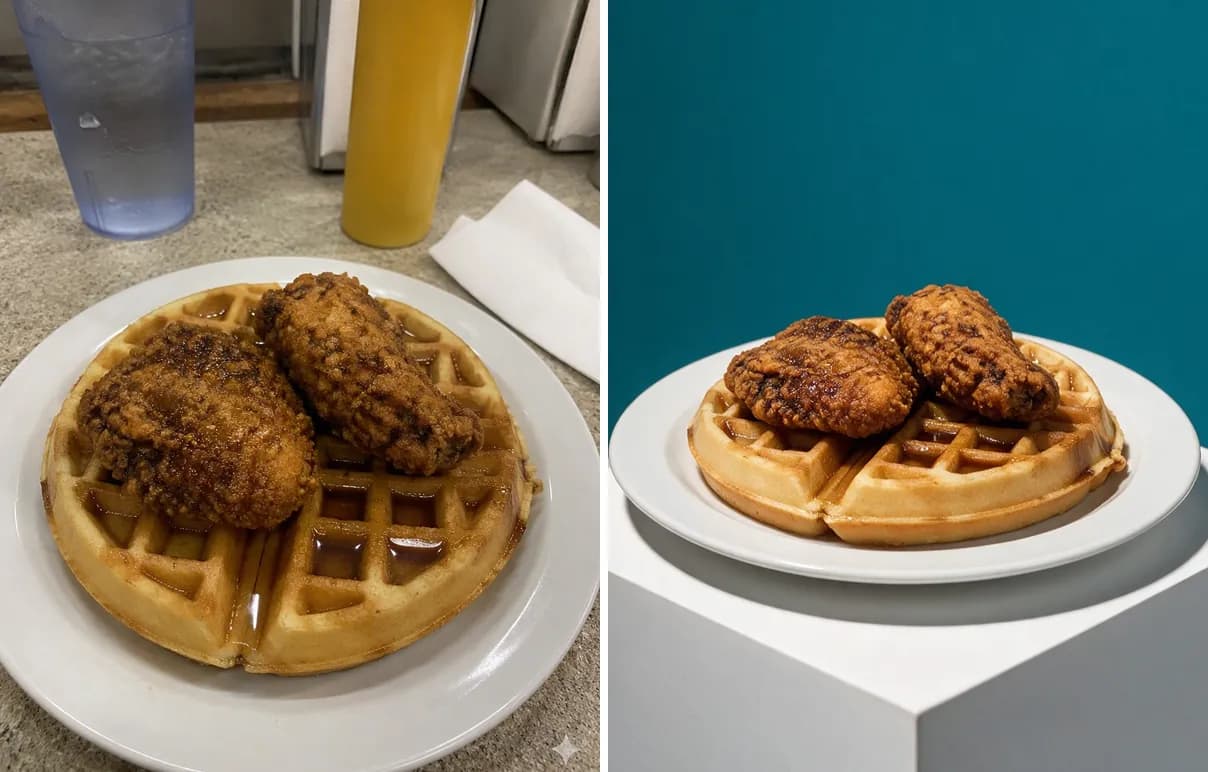
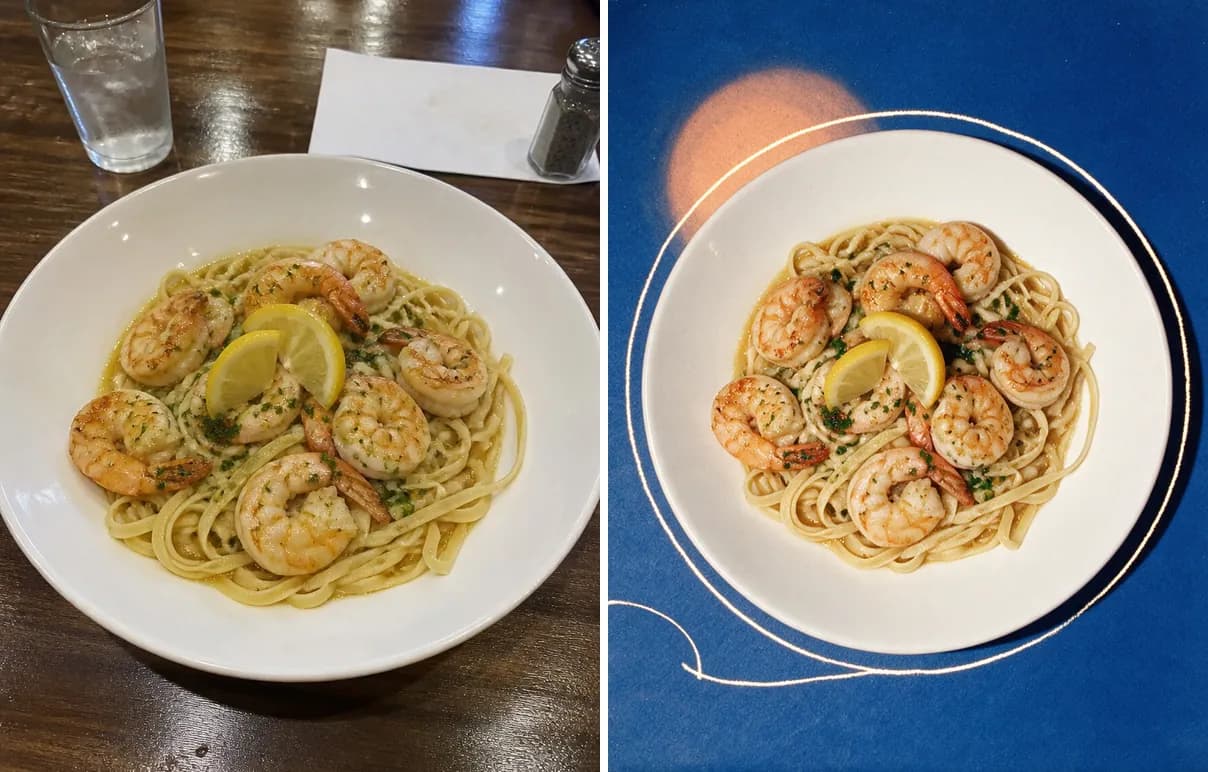
RestoPhoto is one option. You take a phone photo of the dish, and the AI sets the light, the background and the framing, so a finished photo takes about two minutes. Each photo is made from your own photo of the dish, not a stock library. On Growth and Pro plans there's also a digital QR menu: you can import dishes from photos of your printed menu, add the photos, translate the menu into 24 languages in one click and download a print-ready PDF.
A reminder that applies to any AI tool: AI can change small details of a dish, and some styles add props around the plate. Compare the result with your original before you publish, especially on a menu, where guests will see the real plate a few minutes later.
Try it on one of your own dishes. Your first photo is free, no card.
Try RestoPhoto on one of your own dishes
FAQ
Do pictures on menus increase sales?
The evidence says they can. Hou, Yang and Sun (2017) found that with clear, descriptive dish names, adding a photo significantly improves attitude, willingness to pay and purchase intention. Grubhub says menu best practices such as pictures and descriptions bring as much as 70% more orders, but that figure comes from the company, not from independent research.
Should every item on my menu have a photo?
Online, yes, as far as you can. On a printed menu, it's a design choice. Many restaurants photograph a few signature or high-margin dishes instead of every line.
Can a bad photo hurt sales?
It can set a poor expectation, and an oversold photo can lead to disappointed guests. A clear, honest photo of the real dish is the goal.
Do menu photos matter more for delivery apps?
Probably. Online, guests can't see, smell or ask about the food, so the photo carries more of the decision. That's the context of Grubhub's figures.
What's the most important thing besides the photo?
The dish name and description. The research finding depends on clear, descriptive names.
Try RestoPhoto with your own photo
Upload a dish photo and choose a style. Compare the result with the original before publishing.
Try RestoPhoto